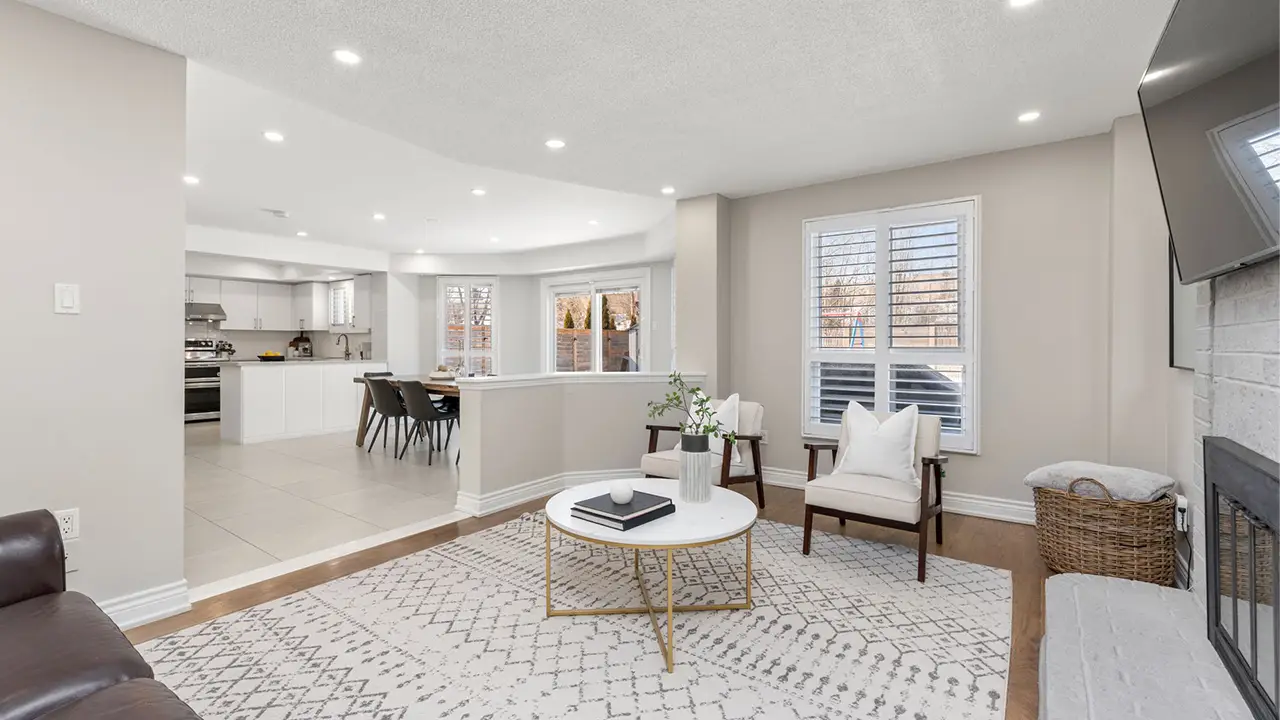
You’ve bought a property in Oakville and now you’re staring at an empty unit, wondering how to rent out your investment property in Oakville without losing money to a bad tenant or a vacant month. The short answer; a good outcome comes down to pricing the unit correctly, screening tenants properly, and deciding early whether you’ll manage it yourself or bring in help.
I get calls about this every month. They usually come from someone who just closed on a detached home near Sheridan College or a small multi unit building in Old Oakville and has no idea what comes next which is ok because I am always happy to help.
Oakville, Ontario continues to attract renters faster than new units come online and the difference between a smooth first year and a stressful one usually comes down to a handful of decisions made before the sign ever goes up.
This guide walks through what actually matters: setting the right monthly rent, understanding your obligations under Ontario’s rental rules, screening tenants, and knowing when a property management company earns its fee. By the end, you’ll have a clear framework for making informed decisions about your first rental property, whether that’s a detached home in River Oaks or a small multi unit building near Lake Ontario.
Why Oakville Is a Strong Market for Investment Properties
Oakville checked a lot of boxes for the clients I work with, and the fundamentals hold up well. The town’s population has grown steadily for a decade, driven by GO Transit access, strong schools, and proximity to the lake.
Renting out properties in Oakville profitably starts with understanding that this population growth keeps rental demand ahead of supply across most of Halton Region.
Population Growth and Market Conditions in Oakville and Halton Region
Halton Region’s 2022 State of Housing Report put Oakville’s rental vacancy rate at just 1.0 percent, down from 2.0 percent the year before. Vacancy rates that low mean qualified tenants are competing for units, not the other way around. I tell most investors that market conditions this tight are rare across the GTA outside of Oakville, Milton, and a few pockets of Mississauga, and they won’t last forever.
Oakville Investment Potential, From Old Oakville to River Oaks
Investment potential varies block by block here.
Old Oakville commands premium rents for character and walkability, and luxury properties near the lake attract executive tenants willing to pay for finishes and views. River Oaks and Glen Abbey draw family rentals close to good schools, from single family homes to townhomes, while newer developments near the Trafalgar corridor appeal to young professionals who want a shorter commute.
Knowing which tenant your property attracts should shape your entire strategy before you list it.
Choosing the Right Property: Detached Homes vs. Small Multi Unit Properties
Detached homes are the most common first rental property in Oakville, and they tend to attract family rentals willing to sign longer leases. Small multi unit buildings, think a legal duplex or a home with a basement apartment, generate more monthly rent per dollar of purchase price but come with more moving parts: two sets of tenants, two sets of expectations, and more maintenance coordination. Most investors I work with start with single family rentals and add multi unit properties once they understand the workload.
Purchase Price, Closing Costs, and Property Taxes
Purchase price is only the starting number. Closing costs in Oakville typically include land transfer tax, legal fees, and a home inspection, and property taxes here run higher than in some neighbouring municipalities because of local service levels and school funding. A mortgage broker who understands investment property financing can help you structure the purchase for cash flow instead of just qualifying for the loan.
Why this matters: I always ask clients to run the full carrying cost, mortgage, taxes, insurance, and a maintenance reserve, against realistic monthly rent before they make an offer, not after.
Due Diligence Before You Buy in Oakville
Due diligence on a rental property means more than a home inspection. Pull the property tax history, ask about open permits, and if you’re buying a multi unit building, confirm the units are legally registered with the town. I had a client who nearly closed on what he thought was a triplex in Oakville that turned out to be a duplex with an illegal third unit, a problem that would have cost him his insurance coverage and exposed him to fines. A week of due diligence saved him from a costly mistake.
What Ontario Landlords Need to Know Before Renting Out a Property
Before you rent out a property anywhere in Ontario, get familiar with the basic framework that governs the relationship between you and your tenant. Ontario’s Residential Tenancies Act sets the rules for things like rent increases, notice periods, and how a lease can end, and every landlord should spend an evening reading the plain-language guide before their first tenant moves in. Another bonus would be to have a paralegal review your lease agreement once, even if you’re using a standard Ontario lease form, so you understand exactly what you’re signing.
Can I Rent Out My Own Home?
Yes. You can rent out a home you currently live in, whether that’s a primary residence while you relocate for work or a property you inherited and aren’t ready to sell.
The main things to sort out first are your mortgage lender’s rules on rental use, your home insurance policy, which needs to shift from owner-occupied to landlord coverage, and whether your municipality has rental licensing rules. Oakville doesn’t currently require a rental licence for most single family homes, but it’s worth confirming with the town before you list.
Can I Rent My Own Property to My Business in Canada?
Renting a property you own to your own corporation is possible, and some investors do it deliberately to separate personal and business assets. The rent has to reflect fair market value, and the arrangement needs to be documented properly, or the Canada Revenue Agency can reassess it. This is one area where I send clients to an accountant before they set anything up. The tax rules get specific fast, and the cost of getting it wrong outweighs an hour with a professional.
Setting Monthly Rent and Reading Market Conditions in Oakville
Setting monthly rent too high leaves a unit sitting empty, and every empty month erases whatever premium you were chasing. Setting it too low leaves money on the table for the life of the tenancy, since Ontario caps annual rent increases for existing tenants. I pull comparable listings within a few blocks, adjust for parking, in-suite laundry, and square footage, and land on a number that fills the unit within two to three weeks.
What Is the 2% Rule for Properties?
The 2% rule is a rough screening tool some investors use: monthly rent should equal roughly 2 percent of the purchase price for a property to generate strong cash flow.
In most of the GTA, including Oakville, that math almost never holds up anymore. A detached home priced at 1.4 million dollars would need to rent for 28,000 dollars a month to hit it, which isn’t realistic.
I treat the 2% rule as a historical benchmark rather than a target, and instead look at whether rent covers the mortgage, taxes, and a maintenance reserve with room to spare.
Tenant Screening and Tenant Placement for Oakville Landlords
Tenant screening is where most rental horror stories start, or don’t. A proper screening includes a credit check, employment verification, a landlord reference from the current or previous property, and a conversation that tells you as much as the paperwork does. I had a client who skipped the landlord reference call to save a few days and ended up with a tenant who was mid-eviction from her previous unit. A lease signed after a rushed screening usually costs more than the vacancy it was trying to avoid. Working through how to find good tenants or handing the process to tenant placement services both work, as long as the screening itself isn’t skipped.
What Good Tenants Look for in Oakville
Good tenants are shopping for the same things you’d want in a home: a responsive landlord, clear expectations on maintenance requests, and a fair lease. Right tenants for Oakville tend to ask about school boundaries, parking, and commute times to the GO station before they ask about rent, and they’ll ask reasonable questions that respect both your responsibilities as a landlord and their tenant rights. If your listing answers those questions upfront, you’ll draw a stronger pool of applicants.
Family Rentals Near Sheridan College and Top School Zones
Family rentals do well near strong school zones in River Oaks, Iroquois Ridge, and Glen Abbey, while units near Sheridan College attract students and staff on shorter leases. Matching your property type to the right tenant pool from the start reduces turnover. Single family rentals near a top-rated school will often rent faster, and to a more stable tenant, than the same home marketed generically.
Should You Hire an Oakville Property Management Company?
This is the question I get asked most by out-of-town investors and first-time landlords renting out properties in Oakville and Halton Region. A property management company handles the parts of managing properties that eat up the most time: marketing the unit, tenant screening, rent collection, and coordinating repairs. Whether the property management cost is worth it depends on how far you live from the property, how many units you own, and how much of your own time you want to spend on it.
What Property Management Services Actually Include
Property management services typically cover advertising the unit, showing it to prospective tenants, running credit and background checks, collecting monthly rent, handling maintenance requests, and managing lease renewals. A good property manager also knows Oakville’s rental market well enough to price a unit correctly the first time, instead of guessing and adjusting after two slow weeks.
Property Management Cost and Management Fees
Property management cost in the GTA generally runs 8 to 12 percent of monthly rent for full service management, with some companies charging a fee equal to one month’s rent for finding the first tenant. Management fees feel steep until you calculate the cost of one extra vacant month, or one missed maintenance issue that turns into a bigger repair. For an owner with one or two properties, self-managing is often fine. For someone building a portfolio of multi unit properties, the fee usually pays for itself.
Full Service Property Management vs. Managing It Yourself
Full service property management makes the most sense for out-of-town owners, owners with several properties, or anyone who doesn’t want a 10 p.m. call about a broken furnace. I had a client who self-managed two rental properties in Oakville for three years and finally handed both over to a property manager after a maintenance delay turned into a two-week vacancy dispute with a tenant. Managing it yourself works well when you live close by, have the time, and don’t mind the occasional inconvenient phone call.
Rent Collection, Maintenance Coordination, and Cash Flow
Two things protect your cash flow more than anything else: getting paid on time, and keeping small maintenance issues from becoming expensive ones.
Building a Reliable Rent Collection System
Rent collection should run on autopilot as much as possible. Set up automatic bank transfers or use a property management platform that tracks payments and sends reminders before rent is due, not after it’s late. A reliable rent collection system also creates a paper trail, which matters if a payment dispute ever comes up.
Maintenance Coordination for Oakville Rental Properties
Maintenance coordination is where landlords either build trust with tenants or lose it. Respond to maintenance requests within 24 to 48 hours, keep a short list of trusted local contractors for plumbing, electrical, and HVAC work, and do a walkthrough between tenants rather than waiting for something to break. Consistent maintenance is also what keeps good tenants renewing instead of shopping around.
Tax Considerations for Oakville Property Owners
Rental income is taxable, and both property owners with one unit and those with a growing multi unit portfolio need to report it correctly.
How Does CRA Know if You Have Rental Income?
The Canada Revenue Agency cross-references land registry records, mortgage data, and third-party reporting from platforms and property managers, so assuming rental income will go unnoticed is a bad bet. Rental income gets reported on Form T776 and flows through to your personal tax return, with allowable deductions for mortgage interest, property taxes, insurance, and repairs. I’m not an accountant, and this is exactly the kind of question worth a proper conversation with one, especially once you own more than one rental property or start asking about capital cost allowance.
Working With an Accountant as Part of Your Investment Strategy
Most first-time landlords I work with underestimate how much a good accountant saves them, not just at tax time but when deciding how to structure ownership of a second or third property. An accountant who knows real estate can advise on holding a property personally versus through a corporation, timing a purchase or sale around your other income, and tracking deductible expenses properly from the first month you rent it out. Pair that with a mortgage broker who understands investment financing, and you’ve got the two advisors who matter most once you own more than one property in Oakville.
Final Thoughts: Building Long Term Rental Income in Oakville
Renting out a property in Oakville rewards owners who treat it like a business from day one: price it using real market conditions, screen tenants properly, understand your tax obligations, and decide early whether a property management company fits your investment goals. The right strategy depends on how many properties you plan to own, how much time you want to spend on it, and how much risk tolerance you’re comfortable carrying. Investors who get those decisions right tend to build wealth steadily through real estate investment in Oakville rather than chasing quick wins.
Whether you’re renting out your first investment property in Oakville or expanding a portfolio of multi unit properties across Halton Region, the decisions you make in the first few months set the tone for years of rental income.
I’m Marco Pedri, and I focus specifically on helping property owners in Oakville rent out and manage their investment properties, from setting the right monthly rent through tenant placement and lease renewal. I’m committed to honest advice, real local market insight, and guiding you through the entire process with confidence.
If you’re weighing whether to self-manage or bring in a property management company, or you just want a second opinion on your rent price before you list, I’m always happy to talk it through. Feel free to reach out to me directly.