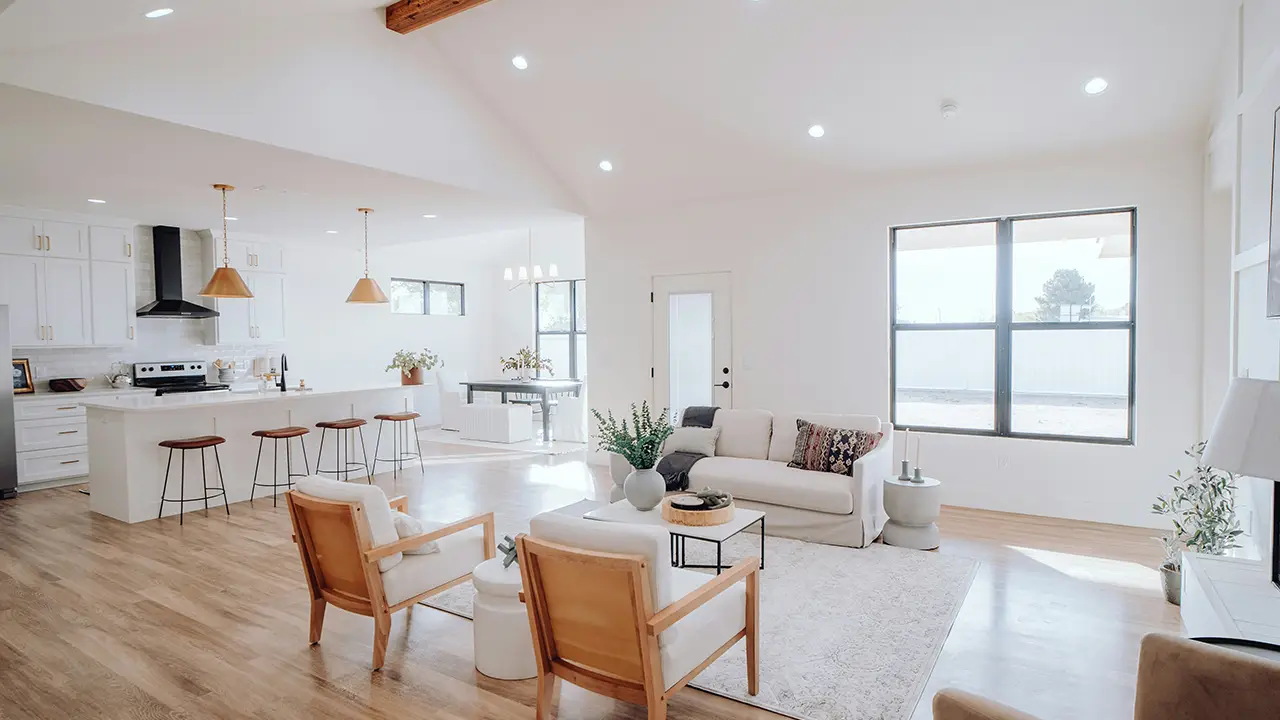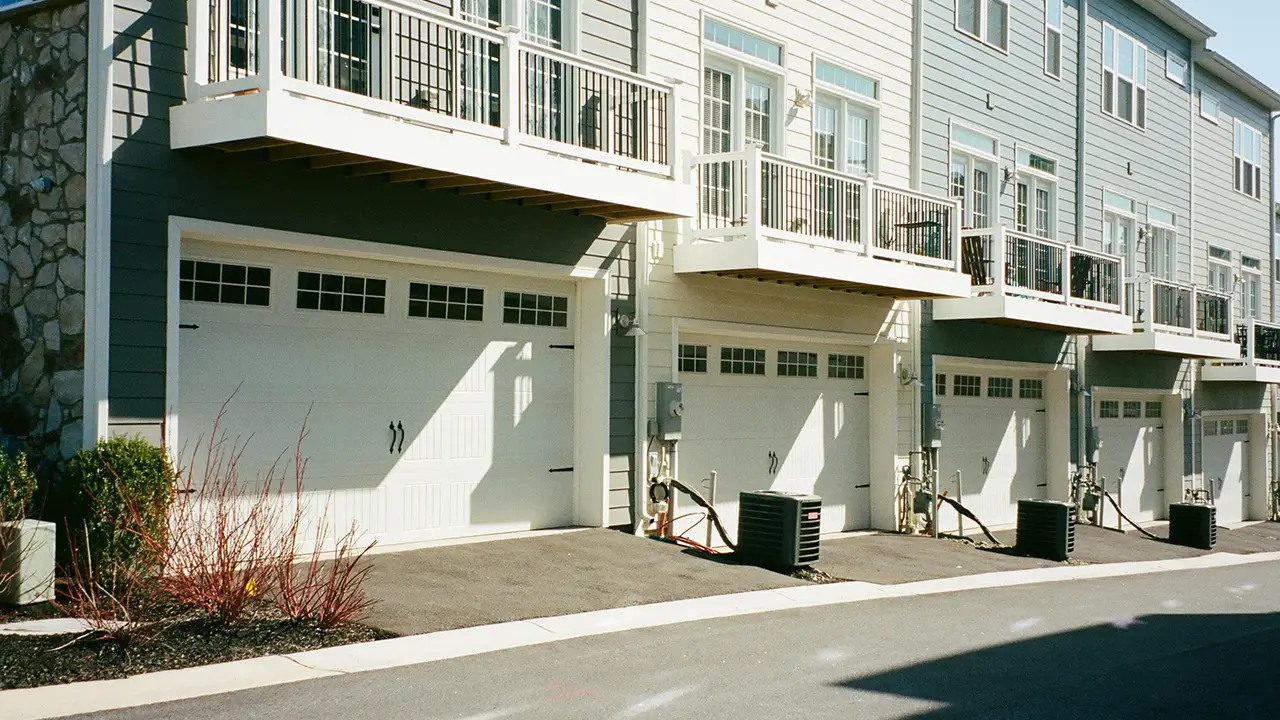
Choosing between a condo vs townhouse in Oakville is a big decision. Both cost less than a detached house.
Both come with shared costs and rules. But they feel different to live in, and they treat your money differently.
The short answer: a condo suits people who want less upkeep and a lower purchase price. A townhouse suits people who want more space, a small yard, and fewer shared walls.
I help buyers across Oakville, and this is one of the first questions I hear from first time buyers, downsizers, and investors. The right pick depends on your budget, your plans, and your patience for repairs.
This guide compares price, fees, space, rules, and resale value. You will know which type fits your life and what to ask before you make an offer.
What Is the Difference Between a Condo and a Townhouse?
A condo is a unit inside a larger building or complex. You own the inside of your unit. Everyone shares the halls, the roof, and the grounds.
A townhouse is a row home with its own front door. Many townhouses are freehold, which means you own the home and the land. Others are part of a condominium corporation and carry fees.
Condo Apartments and the Condo Market in Oakville
Oakville offers high-rise apartment condos, low-rise buildings, and stacked townhouses. Many sit near the lake, the GO station, or the shopping areas. Newer buildings have gyms, party rooms, and concierge desks.
These amenities raise fees, so decide which ones you will use. A pool you never visit is money wasted every month. Older ones are simpler, often with larger suites and lower fees. Check the age of the roof, the windows, and the elevators.
Types of Townhouses in Oakville
Freehold townhouses have no monthly condo fees. Condo townhouses have fees for shared roads, snow removal, and landscaping. Always ask which one you are viewing.
Listings sometimes blur the two, and a buyer who skips the question gets a surprise on the first bill. Ask for the fee amount, the list of what it covers, and the name of the corporation. The two cost different amounts each month, sometimes by hundreds of dollars.
Lower Purchase Price vs Land Value
A condo has a lower purchase price in most cases. A townhouse costs more because it gives you more space and land value.
Check recent sales in the building or street, since prices shift. Compare price per square foot, not only the total, so a small condo and a large townhouse sit on a fair scale. Your agent pulls the numbers in minutes.
Is Oakville the Most Expensive City for Detached Homes?
Oakville is one of the pricier markets in Canada, especially for detached homes. This is why many buyers look at condos and townhouses.
These types let you live in a strong community at a lower entry price than a house. Oakville is known for good schools, lakefront parks, and easy access to the QEW and GO trains. Buyers pay for those perks in every home type.
Down Payment and Mortgage
Your down payment depends on the price. Lenders require a minimum percentage, and larger homes need more. Get a pre approval before you tour.
It tells you which type fits your budget. Lenders also look at condo fees when they calculate what you qualify for, so a high fee reduces your borrowing power. Ask your lender how they count it. My Oakville home buying timeline shows when to do each step.
Land Transfer Tax and Closing Costs
Oakville buyers pay Ontario land transfer tax. There is no extra city tax like in Toronto.
Add legal fees and title insurance. Budget for a home inspection on a townhouse, and for the status certificate review on a condo. First time buyers get a rebate, and your lawyer will give you an exact number.
Monthly Costs: Condo Fees and Property Taxes
This is where the two types differ most. Add every monthly cost before you compare.
How Much Are Condo Fees in Oakville?
Condo fees depend on the building, the size of the unit, and the amenities. Larger buildings with pools and gyms charge more. Fees often include building insurance, maintenance, and sometimes heat or water. Ask for the current figure for every unit you tour.
I once helped a buyer compare two similar condos. One had lower fees, but its reserve fund was thin and a large special assessment was likely. We chose the other building, and she was glad. Fees rise over time, so ask about recent increases.
What Condo Fees Cover
Fees pay for repairs, cleaning, insurance, and a reserve fund. The reserve fund is savings for big repairs like a new roof or elevator.
A strong reserve fund is a good sign. A weak one means owners face special assessments, which are extra charges for large repairs. Read the reserve fund study with your lawyer.
Property Taxes and Insurance
Both types pay property taxes to the town. Condo owners also buy their own unit insurance. Townhouse owners insure the full home.
Ask your agent for the tax bill on each property. Taxes depend on the assessed value, so a more costly home pays more. Include the amount in your monthly budget from day one.
Townhouse Costs Beyond the Mortgage
Freehold owners pay for repairs themselves. This includes the roof, windows, and furnace. Plan a repair budget each year.
A simple rule is to set aside money monthly in a separate account. When the furnace fails in January, you will thank yourself. Condo townhouse owners pay fees and also cover some repairs inside their own walls.
Space and Lifestyle
Space is the main reason people pick a townhouse. Lifestyle is the main reason people pick a condo.
Living Space and Storage
Townhouses usually offer more rooms, a basement, and a garage. Condos offer less space, though many have a locker.
One client of mine moved from a condo to a townhouse after his second child was born. The extra bedroom and basement solved his storage problem.
Yard, Balcony, and Outdoor Space
A townhouse often has a small yard. A condo has a balcony or terrace. Neither requires much work for a first-time owner, but a yard needs mowing and snow clearing unless the condo corporation does it.
Noise and Privacy
Condos share floors and walls with neighbours, so you hear more. Townhouses share side walls but not floors.
Ask to visit at different times of the day. Listen for traffic, footsteps, and elevators. A quiet showing at noon tells you little about a Friday night.
Rules and Control
Condo living means following rules. You cannot always rent your unit short term, keep large pets, or renovate freely.
Some buildings limit flooring types, or ban barbecues on balconies. Small rules shape daily life, so read them first. Read the declaration and rules before you buy.
The Status Certificate and the Condo Corporation
A status certificate is a package of documents about a condo corporation. It shows finances, repairs, rules, and lawsuits.
Your lawyer reviews it, and it flags trouble early. Never skip this step. Buyers who skip it risk fees, lawsuits, or poor repairs they did not know about.
Freedom with a Freehold Townhouse
A freehold townhouse gives you the most control. You pick the paint, the renovations, and the landscaping. You also carry every repair bill.
Some buyers love this. Others find it stressful. If you enjoy projects and have time, a freehold townhouse rewards you. If you travel often, a condo is easier.
Investment Purchase and Rental Income
Investors ask me about cash flow, rent increases, and long-term value. Both types rent well in Oakville, thanks to strong demand from professionals and families.
Condos as Rentals
Condos cost less to buy, but fees reduce your income. Check whether the building limits rentals.
Some corporations cap the share of rented units or ban short-term stays. This affects your plan and your resale value. Longer term tenants lower vacancy, and a good building attracts them.
Townhouses as Rentals
Townhouses rent for more but cost more to buy. Families stay longer, which reduces turnover. A longer lease means fewer gaps and lower costs for cleaning and listing.
Rent a townhouse in a good school area and demand stays strong. You also carry more repair risk. Ontario rent increase rules differ by when the unit was first occupied, so confirm with a lawyer.
Cash Flow, Financing, and Landlords in the Long Run
Landlords who own townhomes or condos need steady rental income. Cash flow is the money left after the mortgage payment, monthly fees, and major repairs. Investors in Oakville should talk to a broker about financing before they buy.
Rent from a lease pays the bills, but expenses surprise new landlords, so budget for vacancy and repairs. Sales of both property types stay active, though private roads in some townhome complexes add shared costs. Ask who is responsible for them. Expect longer stays from tenants in family townhomes and shorter stays in small condos.
Which Is Right for You?
Use this simple guide. Pick a condo if you want a lower price, less upkeep, and amenities. Pick a townhouse if you want space, privacy, and long-term growth.
Best for First Time Buyers
Condos often fit first time buyers because of the lower price. They also need less cash for repairs in the first years.
If you plan to start a family soon, a townhouse might serve you longer. See my page on buying a condo in Oakville or on affordable condos for sale in Oakville for options.
Best for Downsizers
Downsizers often prefer condos, since they skip the yard and repairs. Some choose a bungalow townhouse for single-level living.
Others pick a condo near the lake to walk to shops and cafés. Both work well for people who want less work and more time.
Best for Families
Families lean toward townhouses for space, but a large condo in a family-friendly building works too. Look at schools and parks. Check the school boundaries on the board’s website, since they change.
Questions to Ask Before You Buy
Ask about fees, special assessments, and the reserve fund. Ask who owns the road. Ask what the fees cover. Ask how long the owner has lived there and why they are selling.
Good answers build trust. Vague answers are a warning. Bring this list to every showing and write down the replies. After three tours, patterns appear.
Talk to an Oakville Real Estate Agent
The best choice in the condo vs townhouse debate in Oakville is the one to fit your money and your life. Look at the full monthly cost, not only the price.
Then picture your daily life in each home. The better fit usually becomes clear.
If you’re weighing your options and not sure where to start, I’m always happy to talk it through. Reach out to me directly by visiting my Oakville real estate agent page to get started.